World Athletics, formerly known as the IAAF
A behind-the-scenes look at my time with World Athletics, powering live global coverage of athletics events. This page shows the tech architecture, UI design, and pressure-tested launches that delivered real-time sports data to millions.

Building for Live Global Athletics
From 2012 to 2016, while working through my role at Haymarket Media Group, I had the privilege of working with World Athletics, known then as the IAAF, on their global digital presence: website, apps, live-results systems and event-driven publishing infrastructure.
For me, this project was more than just software — it was about enabling the world to follow history in real time.
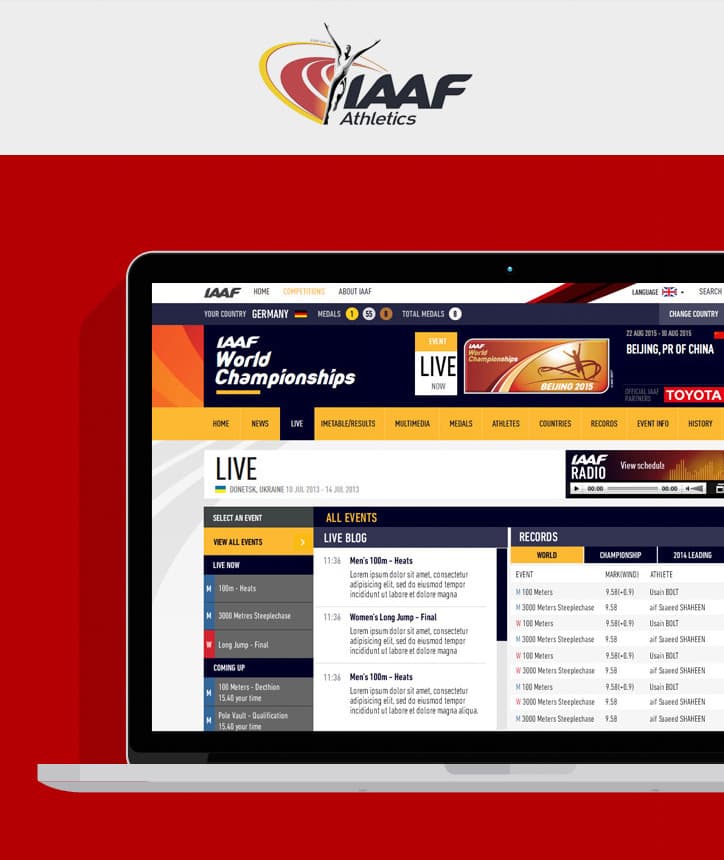
Built front-end and backend systems to deliver live-to-the-second results: the moment an athlete crossed the finish line, data was verified, processed and published globally — instantly.
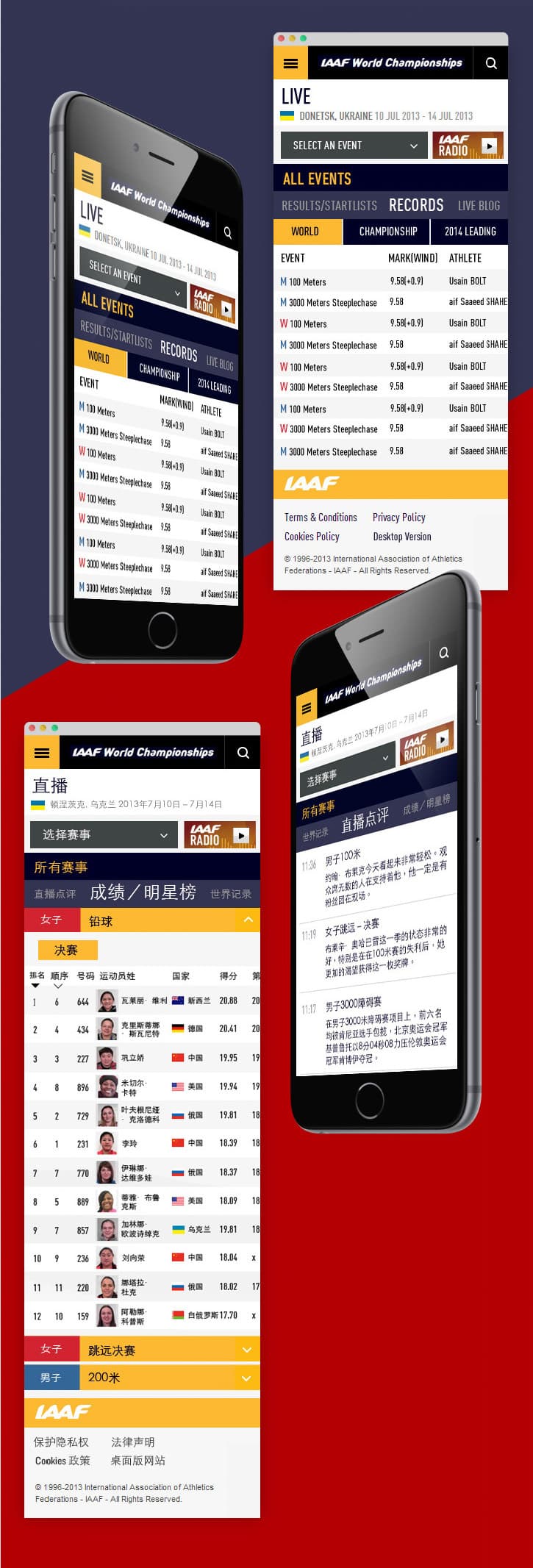
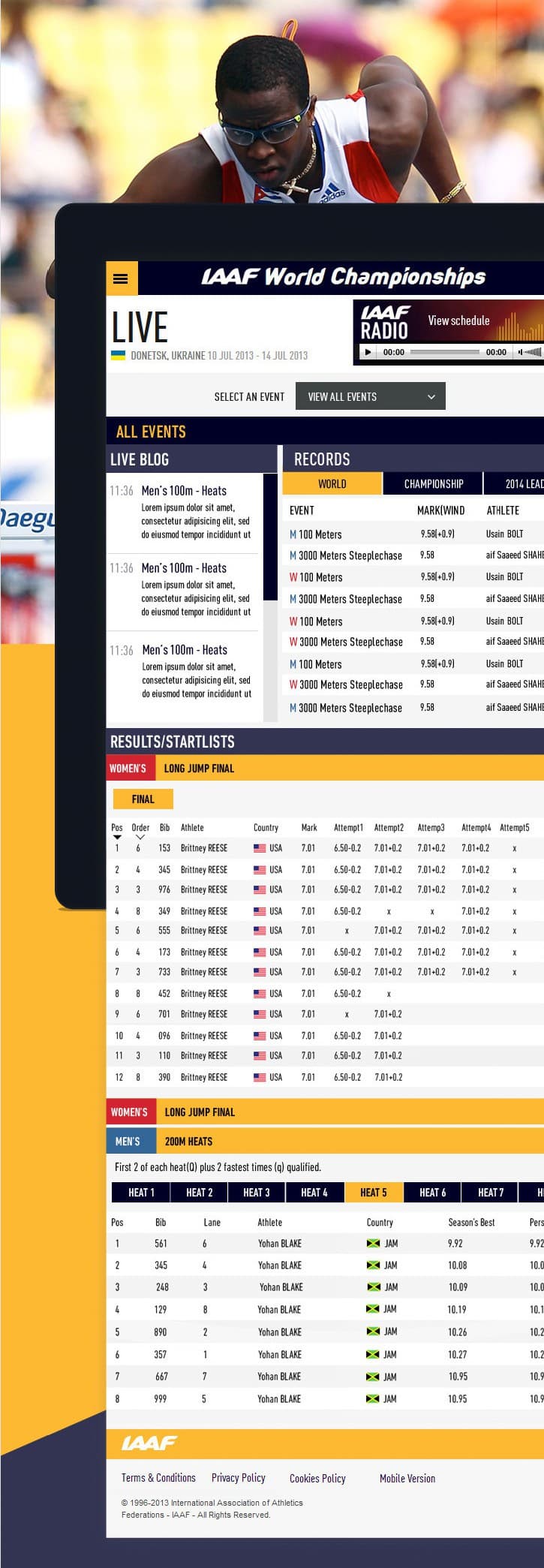
Developed complex web UI for results pages, live-timing displays, athlete profiles, event summaries — all optimised for heavy event-day traffic and global load.
Designed UI components with performance and accessibility in mind — ensuring that live results, event updates and editorial content were delivered reliably, quickly and accessibly worldwide.
Ensured reliability, scalability and performance under intense load: major championships bring surges in traffic, variable networks, and high concurrency — our platform held up.
Collaborated with a global, cross-functional team — developers, UX/design, editorial partners, event staff and World Athletics stakeholders — converting tight event deadlines into smooth, polished deliveries.
Provided on-site support during championships: real-time deployment, monitoring and live troubleshooting — ensuring “go live” really meant “go live.”
Led front-end architecture and full-stack delivery as Senior Engineer — defining code standards, architectural direction, best practices, and mentoring developers.
Oversaw release planning, QA, user-acceptance and integration testing to guarantee quality and stability before each global launch.
Engaged regularly with senior stakeholders close to World Athletics leadership, including executive-level sponsors and event and technical directors, to align technical delivery with organisational priorities — translating high-level business and competition goals into technical requirements and ensuring their expectations were met.
Presented project plans, live-data deployment strategies, and post-event performance reports to senior management — building trust and transparency with leadership, ensuring continuity and organisational buy-in across seasons and events.
Championships & Global Events I Supported On-Site
During my time with World Athletics / Haymarket, I was fortunate to attend and support several major international athletics events. Some of these include:
2013 — World Youth Championships, Donetsk, Ukraine
2013 — World Championships, Moscow, Russia
2014 — World Relays, Nassau, Bahamas
2014 — World Indoor Championships, Sopot, Poland
2014 — World Junior (U20) Championships, Eugene, Oregon, USA
2014 — Continental Cup, Marrakesh, Morocco
2015 — World Relays, Nassau, Bahamas
2015 — World Youth Championships, Cali, Colombia
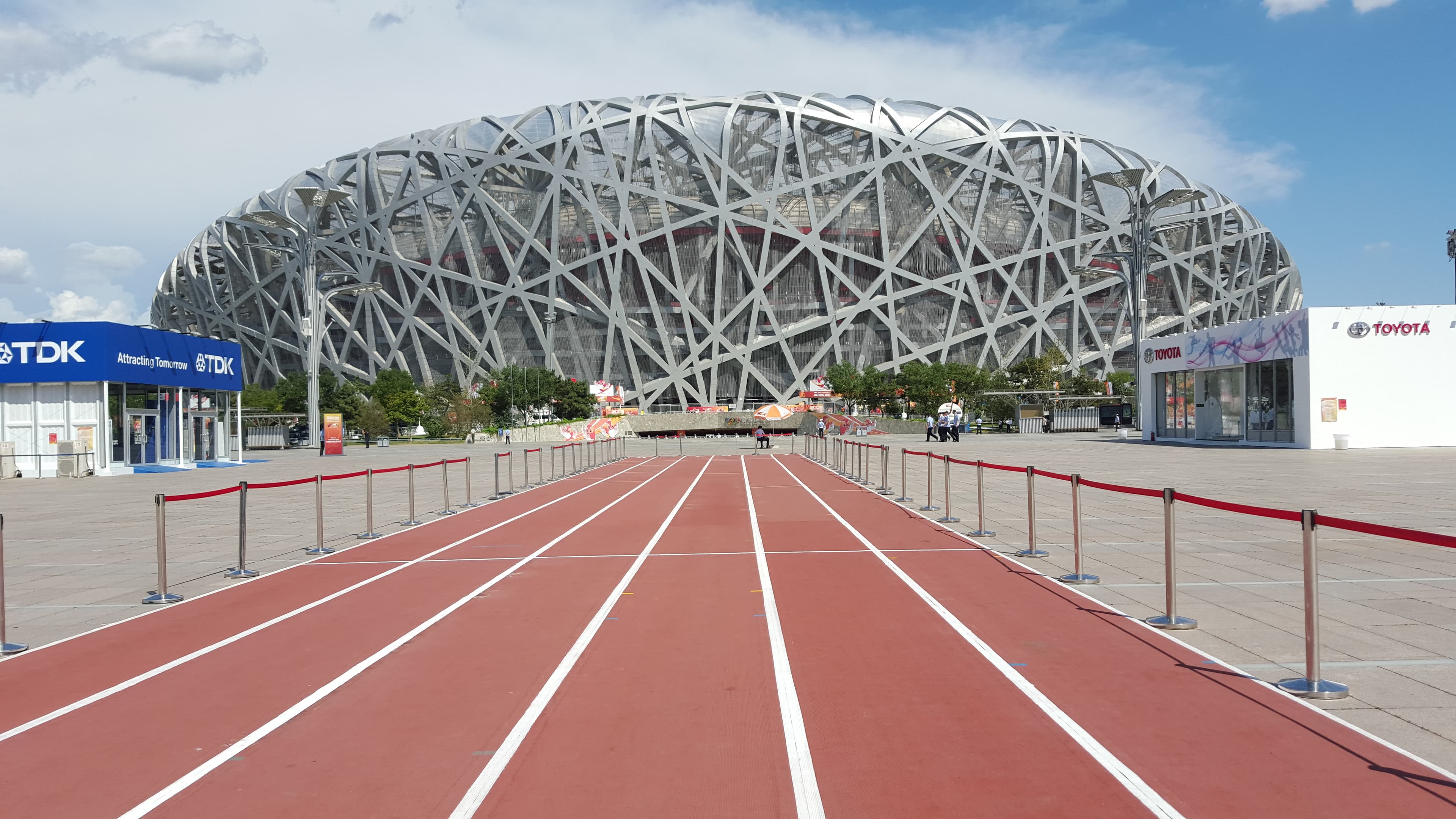
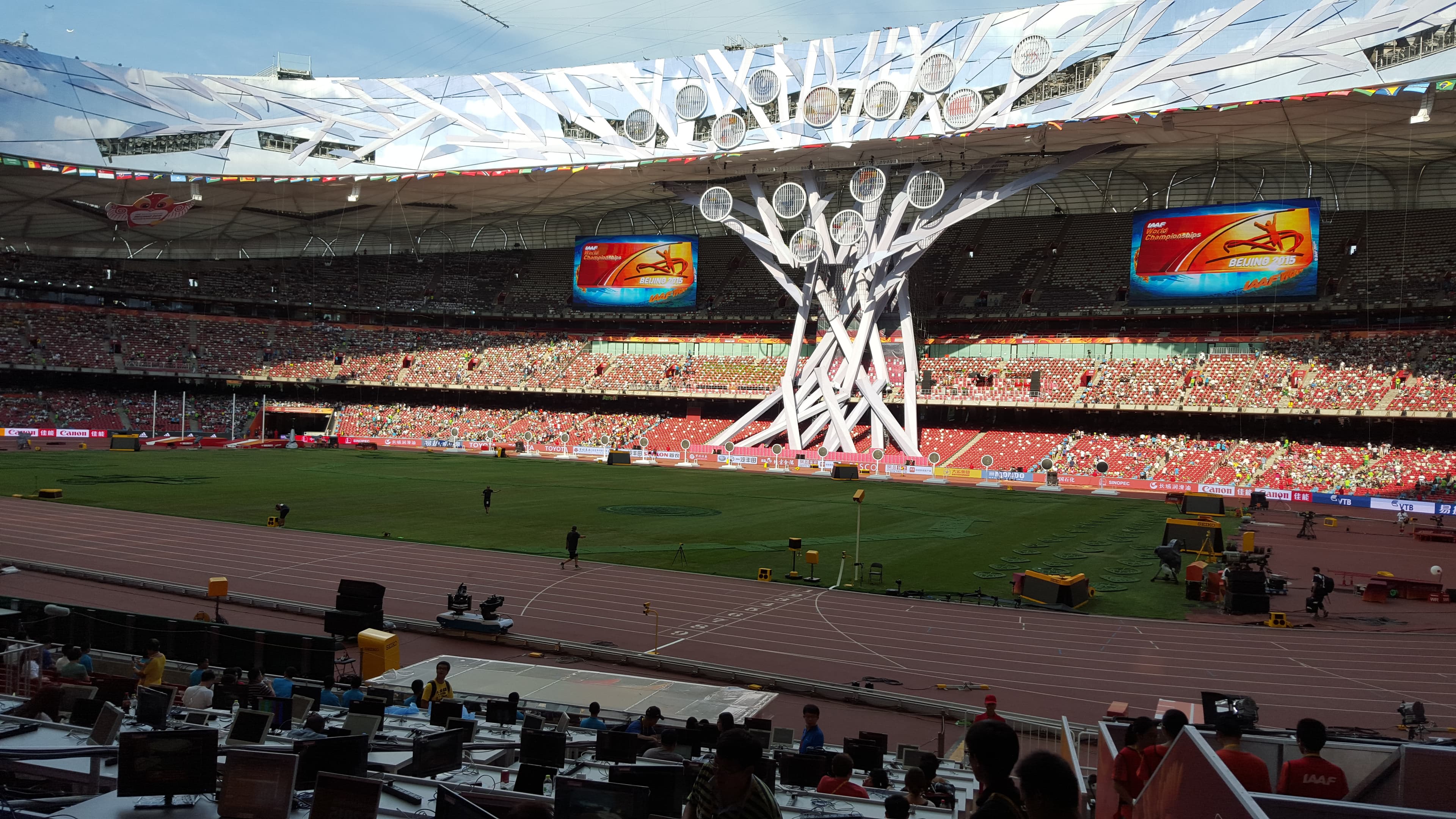
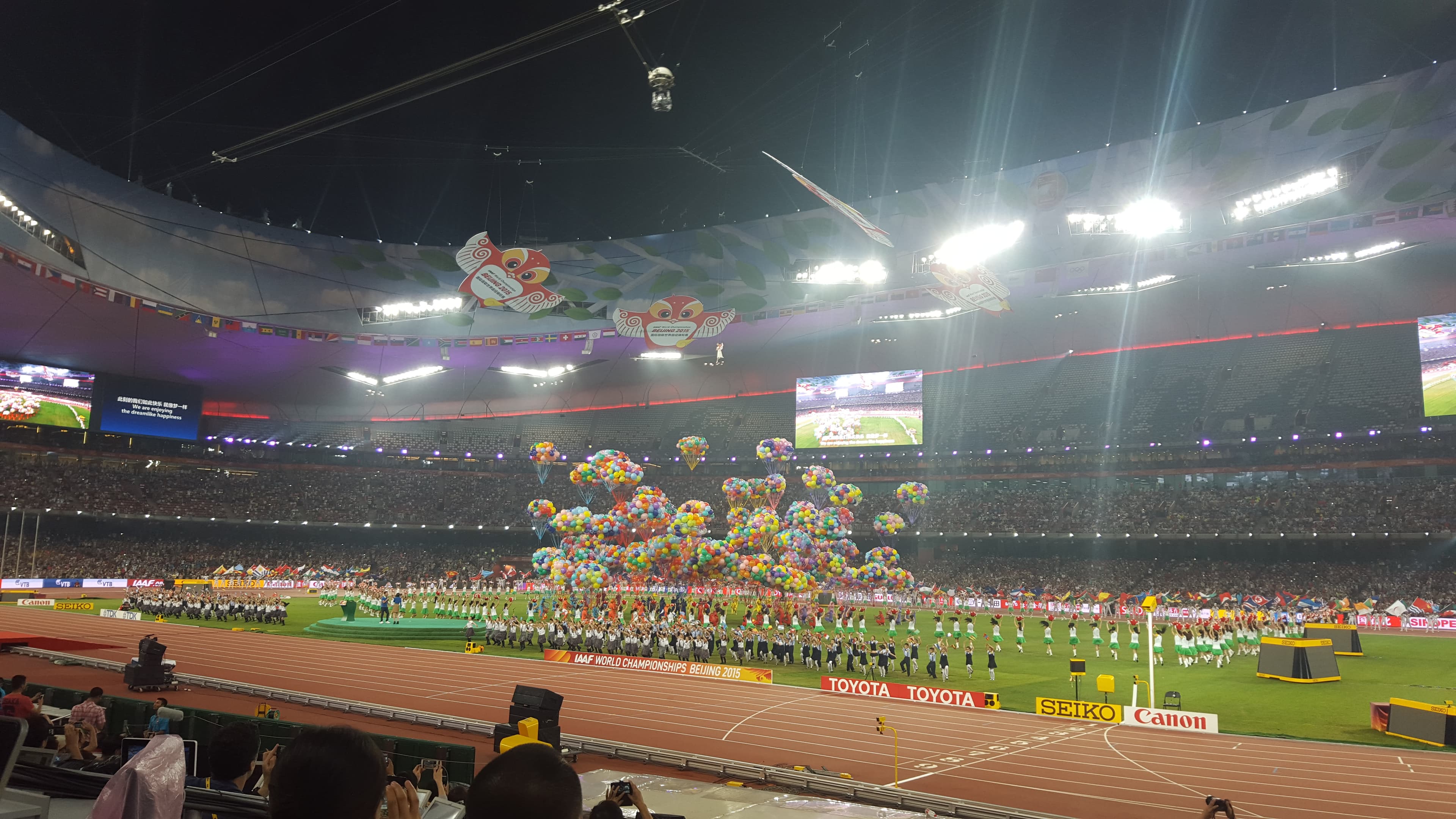
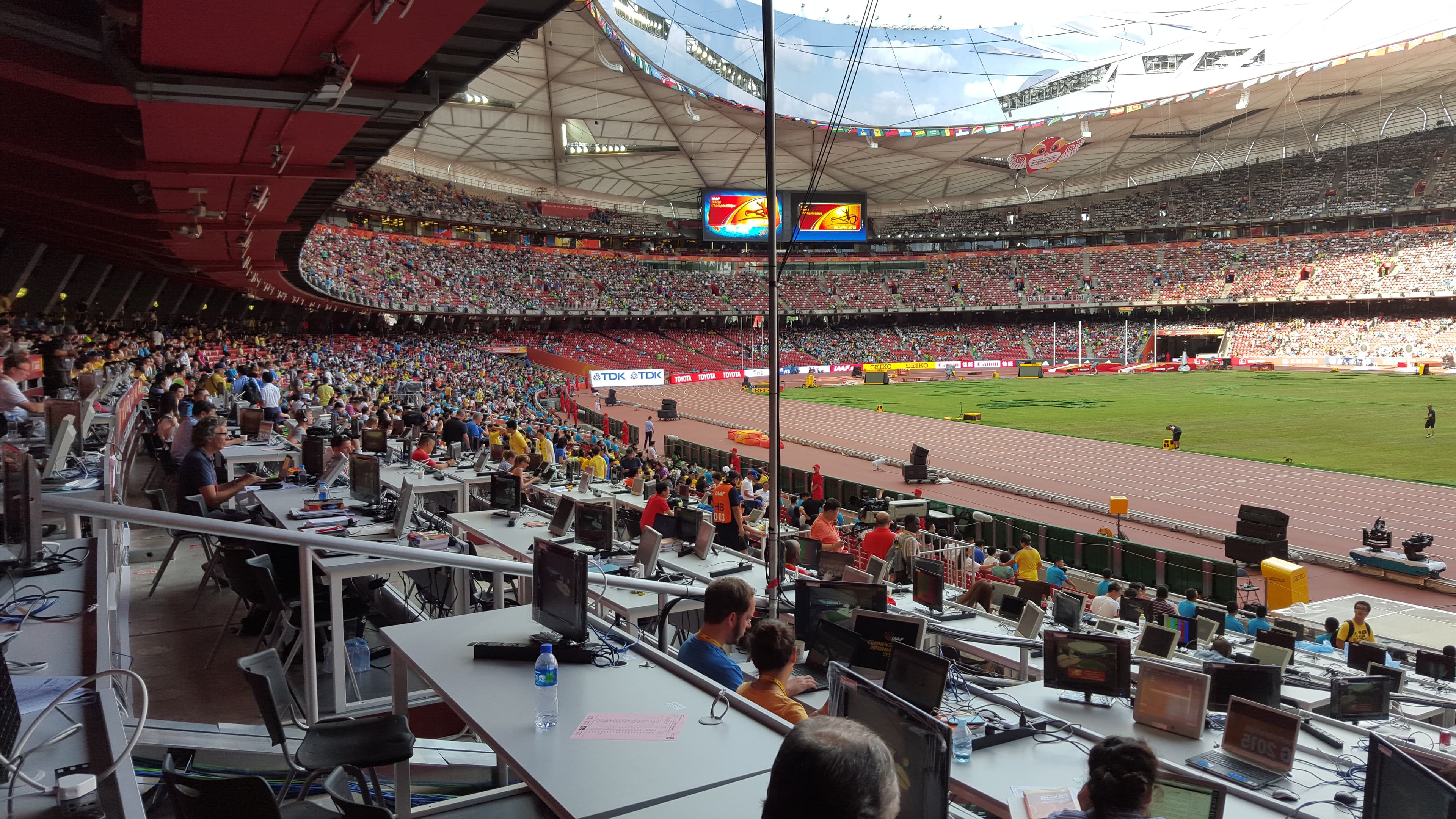
2015 — World Championships, Beijing, China
2016 — World U20 Championships, Bydgoszcz, Poland
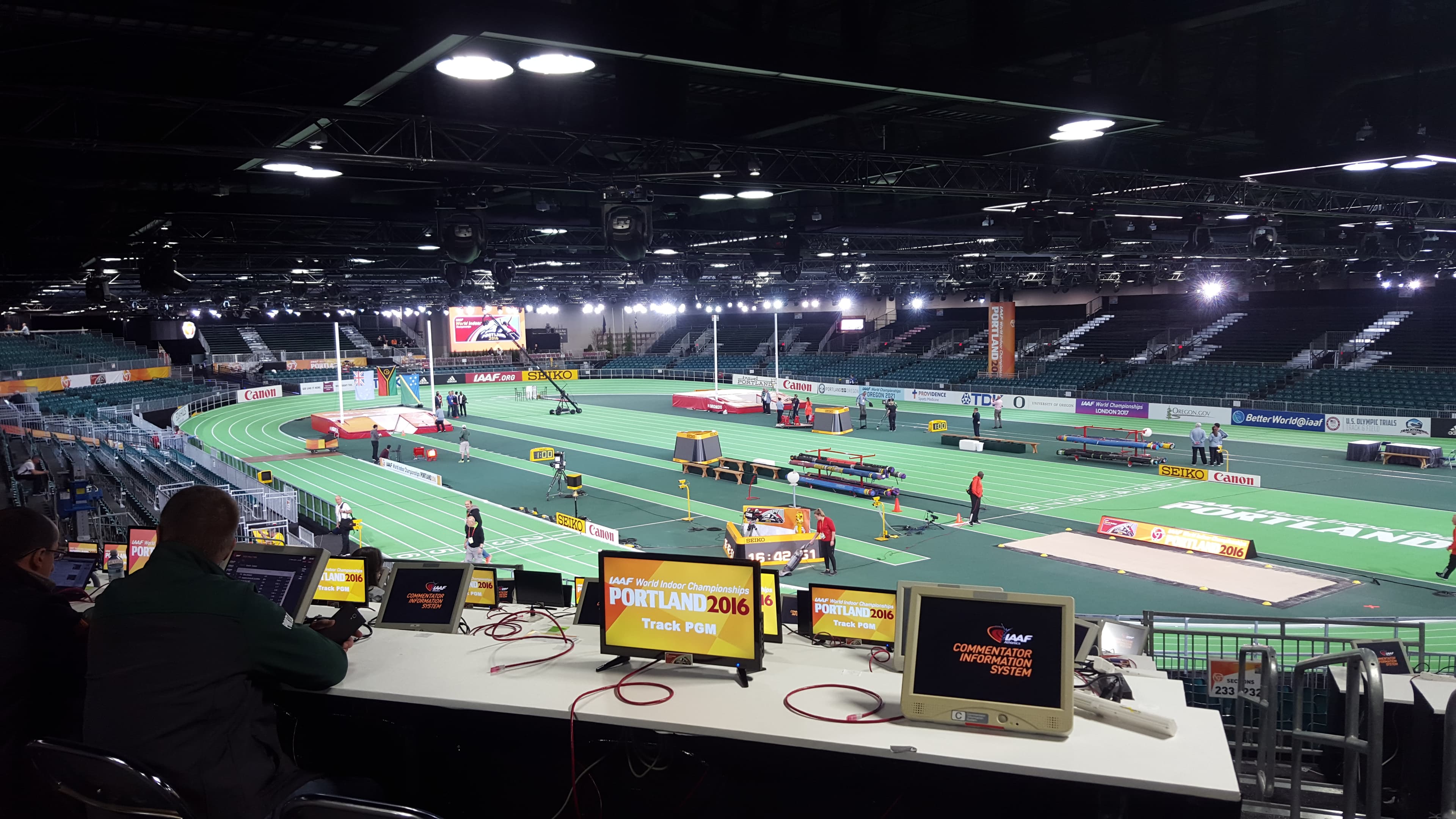
2016 — World Indoor Championships, Portland, Oregon, USA
These experiences — from press boxes, to stadium-side backend rooms, midnight deploys and real-time data releases — taught me more about reliability, scale and human coordination than any textbook ever could.
Why This Project Still Inspires Me
World Athletics carries forward an extraordinary legacy: from its founding in 1912 to being the modern governing body for global athletics, it has helped standardise the sport, ensure fairness, and bring the thrill of human performance to a global audience.
The breadth of its events — from elite outdoor championships to grassroots road-running and youth development — shows how sport can unify people worldwide, transcend borders, and offer opportunities for millions to participate.
From a technical and product perspective, building platforms for World Athletics taught me that engineering at scale isn’t just about code or servers — it’s about trust, reliability, human stories, and delivering performance when it matters most.
And it somewhat still remains my north star of my career so far: building systems that don’t just work — but work under pressure, for people, in real time, around the world.
Please see the work I did on Spikes Magazine, sports-culture magazine owned by World Athletics, below: